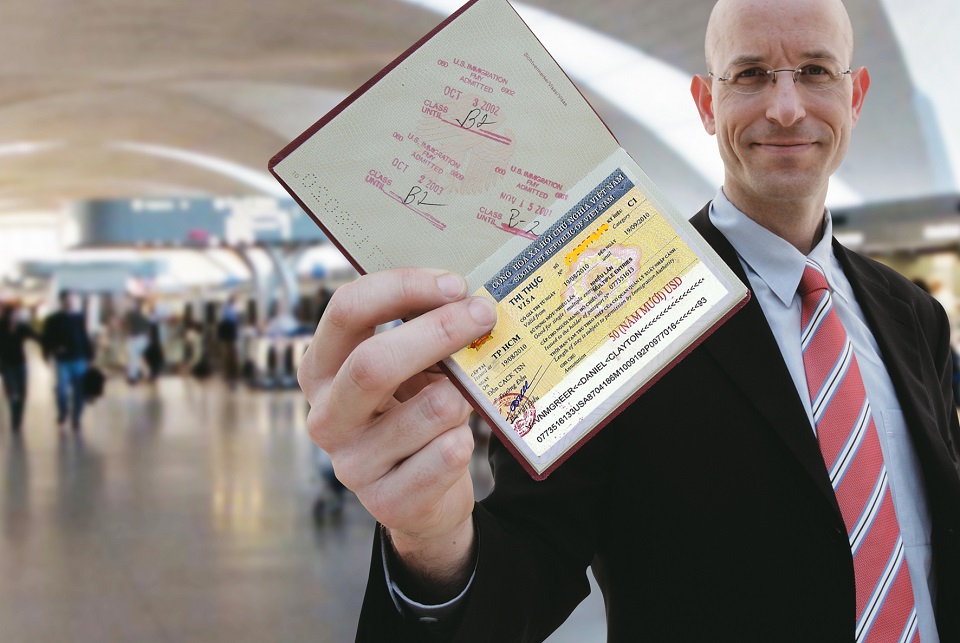


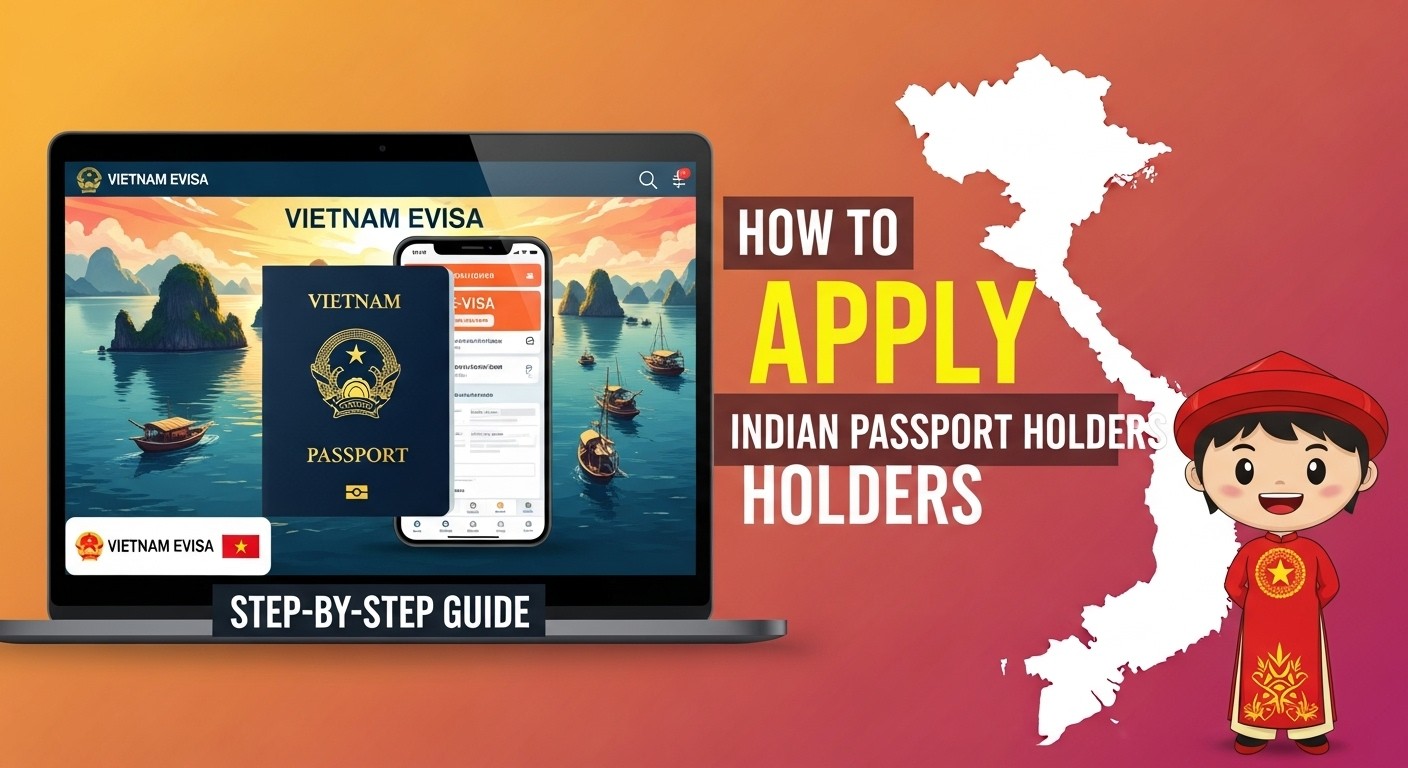
The Vietnam visa for Hong Kong citizens plays a pivotal role in facilitating travel and leisure activities in Vietnam, whether for tourism, business, or family visits. Navigating the visa requirements can often seem daunting, but understanding the process can significantly streamline your journey. This comprehensive guide aims to provide an in-depth overview of the Vietnam visa options, application procedures, and essential tips tailored specifically for Hong Kong residents.
Table of Contents
Understanding the Vietnam Visa Policy for Hong Kong Citizens
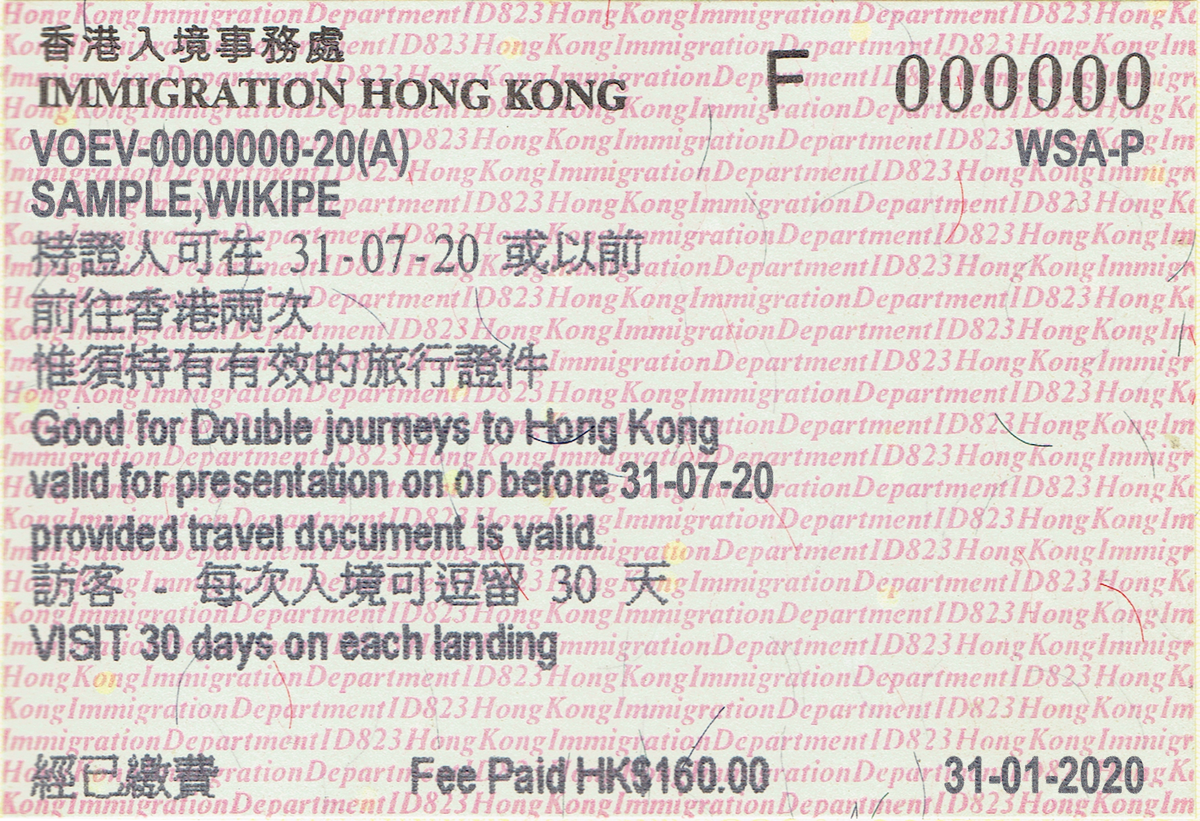
Traveling from Hong Kong to Vietnam involves specific visa regulations that reflect the diplomatic relationship and bilateral agreements between the two regions. Unlike mainland China, Hong Kong falls under a special administrative region with its own travel policies, which influences the type of visas available and the application process.
The Vietnam visa policy for Hong Kong citizens is relatively accommodating, offering multiple avenues to obtain a visa or travel authorization. Hong Kong citizens can enter Vietnam with an e-visa, visa on arrival, or through a Vietnamese embassy or consulate. It is essential to understand the particularities of each option to choose the most suitable method based on travel plans, duration, and purpose.
Additionally, Vietnam often updates its visa policies to promote tourism and international cooperation, which can lead to the introduction of new entry schemes or policy relaxations. Staying informed about these changes is crucial for any Hong Kong traveler planning a trip to Vietnam. Moreover, understanding the eligibility criteria, visa validity periods, and associated costs can prevent last-minute surprises and ensure a smooth travel experience.
Hong Kong citizens traveling to Vietnam should also consider the upcoming or current health protocols, especially in the context of global health issues. These protocols might include vaccination requirements or health declaration forms, adding another layer to the visa application process. Overall, familiarizing oneself with the Vietnam visa policy helps to make the journey from Hong Kong to Vietnam hassle-free and enjoyable.
Types of Vietnam Visa Available for Hong Kong Citizens
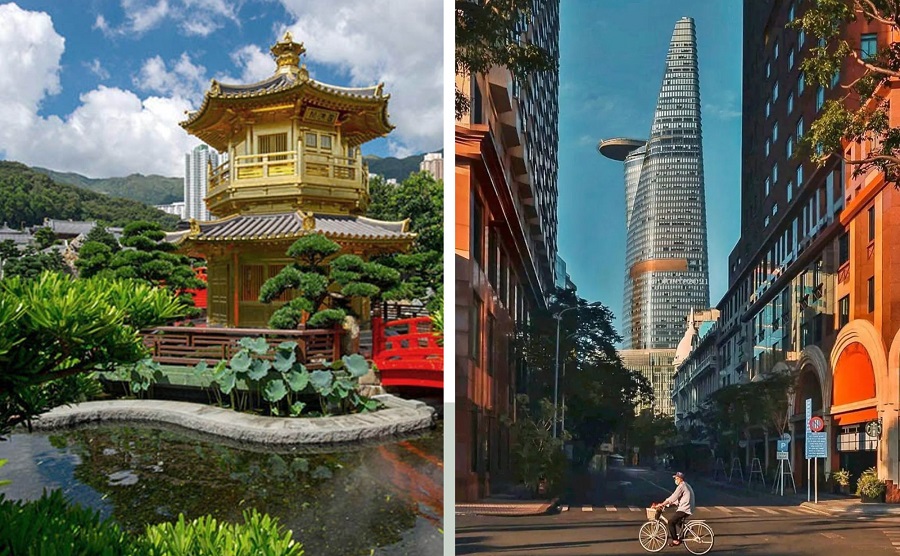
There is a variety of visa types available for Hong Kong citizens planning a trip to Vietnam, each tailored to different travel needs and durations. Knowing the differences and requirements of each type allows travelers to select the most appropriate option that aligns with their itinerary.
The most common options include the e-visa, visa on arrival, and the traditional visa obtained through Vietnamese embassies or consulates. The e-visa provides a quick and efficient process, especially for short visits, while the visa on arrival offers flexibility for travelers arriving via international airports. The embassy or consulate routes might be preferred for longer stays or specific types of visas, such as business or diplomatic visas.
For Hong Kong citizens intending to visit Vietnam for tourism purposes, the e-visa is a practical choice due to its simplicity and speed. The e-visa is an electronically issued authorization allowing entry for up to 30 days, suitable for tourists planning short trips. Alternatively, for those who prefer a more traditional approach or require longer stays, applying through a Vietnamese embassy grants a visa with longer duration options.
Business travelers and those visiting family may opt for specific business or family reunion visas, which can vary in duration and requirements. It is important to note that each visa type has distinct application procedures, processing times, and fees, so selecting the right one depends on travel aims and logistical considerations. Understanding these options in depth can save time and ensure compliance with Vietnamese immigration policies for Hong Kong citizens.
Application Process for Vietnam Visa for Hong Kong Citizens
Securing a Vietnam visa as a Hong Kong citizen involves a clear, step-by-step process that can be adapted depending on the chosen visa type. Preparing the necessary documents and understanding the application timeline are fundamental to a successful application.
For the e-visa, the process is primarily online. Travelers need to fill out an application form on the official government portal, upload required documents such as a passport-sized photo and passport scan, and pay the applicable fee. The processing period for an e-visa typically takes a few days, and approval is communicated via email. Once approved, travelers must print the e-visa approval letter and present it upon entry into Vietnam.
Visa on arrival application involves obtaining an approval letter through a reputable travel agency or Vietnam’s immigration department before departure. Upon receiving the letter, Hong Kong citizens need to carry this document along with their passport and other identification when arriving at Vietnamese airports. The visa stamping process occurs at the airport upon arrival, where travelers pay the stamping fee and receive their visa.
Applying through Vietnamese embassies or consulates requires scheduling an appointment, submitting the completed application form, passport, photographs, and supporting documents like proof of accommodation and return tickets. The processing time varies, but it generally takes a few working days to a week. It’s wise to start the application process well in advance of your planned departure to accommodate any delays.
Understanding the necessary documents, application fees, and processing periods ensures that Hong Kong citizens have a hassle-free experience obtaining their Vietnam visa. Having all required paperwork in order reduces stress at the airport and guarantees compliance with Vietnamese entry regulations.
Frequently Asked Questions About Vietnam Visa for Hong Kong Citizens
Do Hong Kong citizens need a visa to enter Vietnam?
Yes, Hong Kong citizens require a visa to enter Vietnam unless they qualify for a visa exemption under specific circumstances. Most travelers will need to obtain either an e-visa, visa on arrival, or secure a visa through a Vietnamese embassy or consulate depending on their trip duration and purpose.
How long can Hong Kong citizens stay in Vietnam with a visa?
The duration of stay depends on the type of visa issued. Short-term visas, such as the e-visa or single-entry visas, typically allow stays of up to 30 days. Longer visas for business or family visits can extend from 30 days to several months, based on the visa type and approval.
Can Hong Kong citizens extend their Vietnam visa?
Yes, it is possible to extend a Vietnam visa, but the process varies depending on the visa type and the current immigration policies. Typically, extensions are handled through Vietnamese immigration offices or authorized agencies before the initial visa expires. Planning ahead and consulting official sources help avoid penalties or overstay issues.
Are there any special regulations for Hong Kong citizens during the visa application process?
Hong Kong citizens should ensure that their passport validity exceeds six months from the date of entry and that they provide accurate and up-to-date information during the application process. Recent health protocols, especially amid ongoing health concerns, may also require additional documentation such as vaccination certificates.
Is it possible for Hong Kong citizens to travel to Vietnam without a visa for short stays?
Hong Kong citizens can benefit from visa exemptions for short stays under certain conditions, but these are limited and often involve specific criteria such as travel purpose or duration. It’s advisable to verify current exemption policies before planning your trip to prevent any inconvenience.
Conclusion
Navigating the Vietnam visa for Hong Kong citizens involves understanding the various available entry options, application procedures, and legal requirements. With multiple ways to obtain a visa, such as e-visas, visas on arrival, or embassy applications, Hong Kong travelers have the flexibility to choose the most convenient and suitable method based on their travel plans. Preparing requisite documents, staying informed about policy updates, and adhering to application deadlines contribute to a smooth visa acquisition process. As Vietnam continues to promote tourism and ease travel restrictions, Hong Kong citizens can look forward to more seamless travel experiences, fostering stronger cultural and economic ties between the two regions. Overall, a well-informed approach ensures a stress-free entry into Vietnam, allowing travelers to enjoy the country’s rich landscapes, vibrant culture, and warm hospitality without unnecessary complications.